
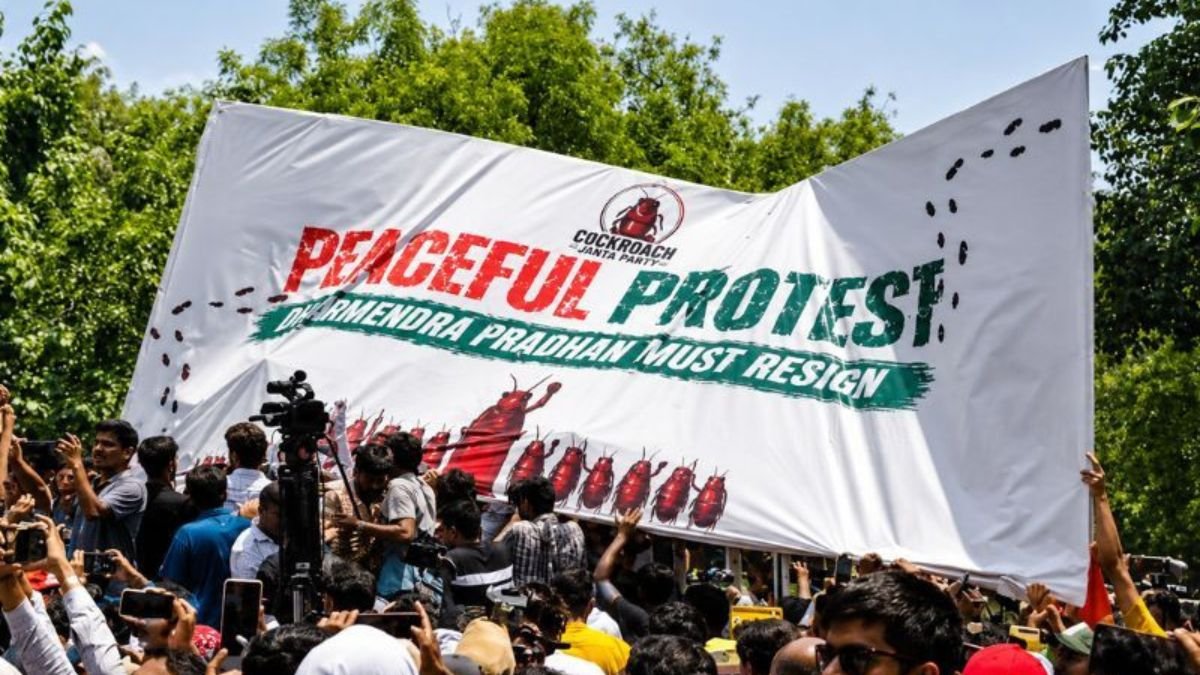
Political developments in India have once again captured public attention after the Citizens for Justice and Peace (CJP) issued a strong demand for the removal of a minister within seven days. The organization has raised serious concerns regarding the minister’s conduct and has urged the relevant authorities to take immediate action. The demand has triggered widespread debate among political leaders, activists, and citizens, bringing questions of accountability and governance back into the national spotlight. As discussions intensify, many observers are closely monitoring how the government will respond to the growing pressure.
The Basis of CJP’s Demand
CJP’s call for the minister’s removal is rooted in concerns that the organization believes are significant enough to warrant urgent intervention. According to reports, the group has expressed dissatisfaction with certain actions and statements associated with the minister. CJP argues that public office holders have a responsibility to uphold constitutional values, maintain public trust, and demonstrate accountability in their conduct. The organization believes that failure to address these concerns promptly could send the wrong message regarding ethical standards in public administration.
The demand reflects a broader trend in democratic societies where civil society organizations play an active role in monitoring government actions and holding public officials accountable. Through public campaigns, legal initiatives, and awareness programs, such groups often seek to ensure transparency and adherence to democratic principles.
A Seven-Day Deadline Intensifies the Debate
One aspect that has particularly attracted attention is the seven-day deadline attached to the demand. By specifying a clear timeframe, CJP has increased the urgency of the issue and encouraged a faster response from authorities. Deadlines in political matters often create additional public pressure because they establish expectations regarding accountability and action.
Political analysts suggest that the deadline may also be a strategic move designed to maintain public focus on the issue. In today’s fast-moving news environment, many controversies fade quickly from public discussion. By establishing a specific period for action, CJP has ensured that the matter remains a topic of national conversation for at least the coming week.
Government’s Possible Response
The government now faces the challenge of addressing the concerns raised while maintaining political stability. In such situations, authorities generally have several options available. They may choose to conduct an internal review, seek clarification from the minister involved, order an independent investigation, or publicly reject the allegations if they believe the claims lack merit.
Government responses to such demands often depend on the nature of the allegations, the available evidence, public sentiment, and political considerations. Officials may also seek to balance legal procedures with public expectations, ensuring that any action taken is based on established facts rather than public pressure alone.
As the deadline approaches, observers expect statements from government representatives that could provide insight into the administration’s position on the issue.
Opposition Parties Weigh In
Unsurprisingly, opposition parties have also entered the debate. Political opponents frequently use such controversies to question the government’s commitment to transparency and accountability. Some opposition leaders have echoed CJP’s concerns and called for immediate action, arguing that public confidence in democratic institutions depends on holding leaders accountable for their actions.
Others have demanded a more comprehensive investigation before any decision is made. While political motivations often influence such responses, opposition involvement ensures that the issue receives broader public and parliamentary scrutiny. This dynamic is a common feature of democratic systems, where competing political voices contribute to public debate and oversight.
Public Reaction and Social Media Discussions
The controversy has generated significant discussion among citizens, particularly on social media platforms. Supporters of the demand argue that public officials should be held to the highest standards and that swift action is necessary whenever serious concerns arise. They view accountability as essential for maintaining trust in government institutions.
At the same time, others caution against making judgments before all facts are thoroughly examined. They emphasize the importance of due process and fair investigation, noting that allegations alone should not automatically determine outcomes. This division in public opinion reflects the broader challenge of balancing accountability with procedural fairness.
Social media has amplified both perspectives, creating an active national conversation that extends beyond traditional political circles.
The Role of Civil Society in Democracy
The current situation highlights the important role civil society organizations play in democratic governance. Groups like CJP often serve as watchdogs, drawing attention to issues they believe require public scrutiny. Their work contributes to a political environment where government actions can be questioned and debated openly.
Civil society organizations frequently focus on human rights, constitutional values, social justice, and public accountability. By raising concerns and demanding action when necessary, they help ensure that democratic systems remain responsive to citizens’ expectations. Whether or not their demands are ultimately accepted, their participation strengthens public engagement and democratic discourse.
Legal and Ethical Dimensions of the Issue
Beyond politics, the controversy also raises important legal and ethical questions. Public office carries significant responsibilities, and leaders are often expected to demonstrate integrity, fairness, and respect for democratic principles. Allegations involving public officials therefore attract heightened attention because they can influence public confidence in institutions.
At the same time, democratic systems rely on legal procedures that protect individuals from unfair treatment. Any decision regarding removal or disciplinary action typically requires careful examination of evidence and adherence to established rules. This balance between accountability and fairness remains central to the ongoing discussion.
What Happens Next?
The coming days are likely to be crucial. As the seven-day deadline approaches, attention will remain focused on government responses, political reactions, and any additional developments related to the case. Stakeholders from across the political spectrum are expected to continue expressing their views, while media coverage will likely keep the issue in the public eye.
If authorities take action, the decision could have broader implications for political accountability and public trust. Conversely, if no action is taken, questions may persist regarding the government’s approach to addressing concerns raised by civil society organizations.
Conclusion
The demand by CJP for a minister’s removal within seven days has become a significant political issue, drawing attention from government officials, opposition parties, civil society groups, and the general public. While opinions remain divided regarding the appropriate course of action, the controversy underscores the importance of accountability, transparency, and democratic engagement. As the deadline draws nearer, the nation’s focus will remain fixed on how authorities choose to respond and what the outcome may mean for the broader political landscape. Regardless of the final decision, the debate has already highlighted the ongoing importance of public scrutiny and civic participation in a healthy democracy.
FAQs
Q1. Why has CJP demanded the minister’s removal?
A: CJP claims that the minister’s actions and conduct require immediate accountability and review.
Q2. What is the significance of the seven-day deadline?
A: The deadline increases pressure on authorities to respond quickly to the concerns raised by CJP.
Q3. What could happen after the deadline expires?
A: Authorities may take action, launch an investigation, or provide an official response regarding the demand.
