
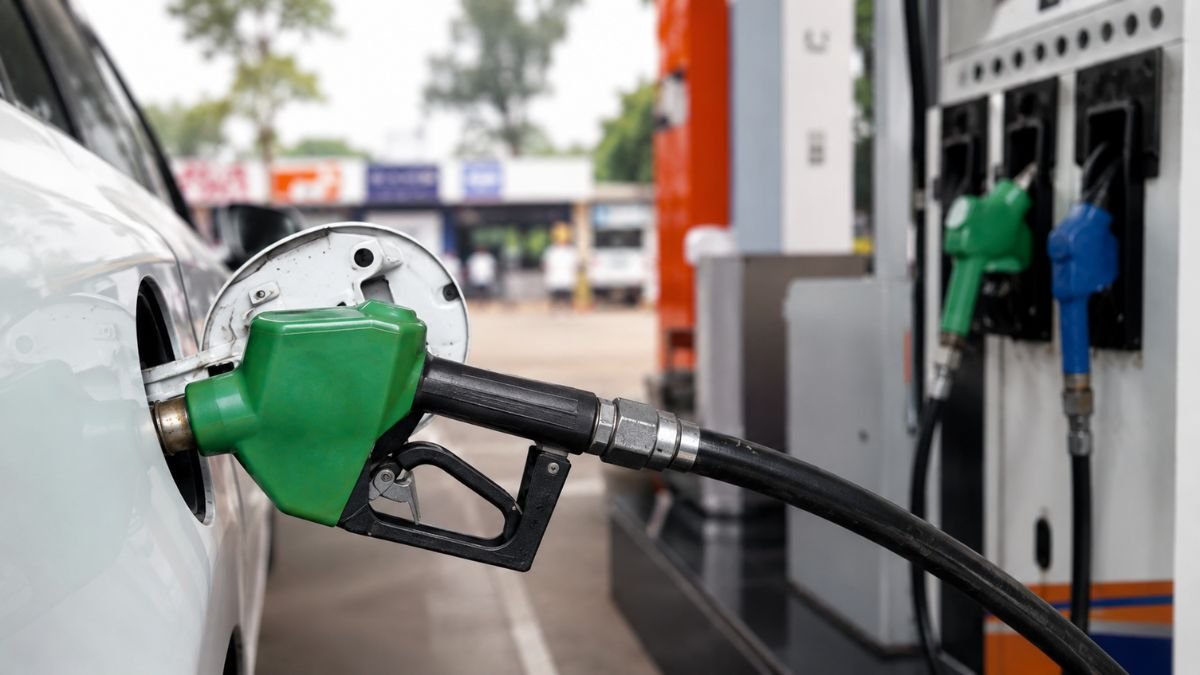
The continuous rise in petrol and diesel Fuel prices across the country has once again compounded the difficulties faced by the common people. This marks the fourth instance in the last 10 days that fuel prices have been hiked. Amidst persistently rising inflation, the prices of petrol and diesel have now begun to exert a direct impact on people’s household budgets.
From major metropolitan areas to small towns, resentment is palpable among motorists everywhere. For those whose daily lives depend on motorcycles, cars, or commercial vehicles, this price hike is being perceived as nothing short of a severe blow.
The Impact of the International Market and Crude Oil Prices
Experts believe that the constant fluctuations in crude oil prices within the international market are having a direct impact on the Indian market. Since India imports a significant portion of its oil requirements from abroad, domestic petrol and diesel prices tend to rise whenever oil becomes more expensive in the global market. Furthermore, the depreciation of the Rupee against the US Dollar is also influencing fuel prices. When imports become more expensive, oil companies hike prices, thereby shifting the financial burden onto the consumers.
A Direct Impact on the Common Man’s Pocket
The impact of rising petrol and diesel prices is not limited solely to vehicle owners. It affects every commodity that relies on transportation for its delivery. The prices of vegetables, milk, groceries, fruits, and other daily essentials also begin to inch upward. Consequently, managing household finances becomes increasingly difficult for middle-class and lower-income families. The monthly budgets of salaried individuals appear to be thrown completely off track, as their commuting expenses have risen significantly.
Prices at Record Highs in Major Cities
In metropolitan cities such as Delhi, Mumbai, Kolkata, and Chennai, petrol and diesel prices had already reached elevated levels; however, following the recent hikes, petrol prices in several cities have now shattered previous records. In certain states, prices appear even higher due to steeper taxation rates. This explains why there is a significant disparity in fuel prices across different states. People are voicing their concern that, given the continuous price hikes, operating a private vehicle is becoming an increasingly expensive proposition.
Mounting Pressure on the Transport Sector
The most significant impact of rising diesel prices is felt by the transport sector. Since trucks, buses, and commercial freight vehicles primarily run on diesel, transportation costs escalate rapidly whenever fuel becomes more expensive. To offset these additional expenses, transport companies raise their fares and freight charges—a burden that ultimately falls upon the common consumer. There are also indications that bus fares, cab charges, and freight costs are likely to rise further in the coming days.
Questions Raised Against the Government and Oil Companies
Amidst these continuously rising prices, opposition parties and the general public are questioning the government’s policies. Many believe that the taxes levied by both the Central and State governments play a major role in driving up fuel costs. Debates regarding petrol and diesel prices have also intensified across social media platforms. People are demanding that the public be provided some relief through tax cuts to help mitigate the impact of rising inflation.
A Growing Shift Towards Electric Vehicles
Due to the relentless rise in fuel prices, people are now increasingly gravitating towards electric vehicles. Many consumers are considering purchasing electric scooters and cars as alternatives to their petrol and diesel-powered counterparts. Recognizing this opportunity, automobile manufacturers are also actively launching new electric models. Although charging infrastructure and high upfront costs remain challenges for many, electric vehicles could prove to be a more economical option in the long run.
Prices May Rise Further in the Days Ahead
Energy market experts warn that if global crude oil prices continue on their current upward trajectory, India could witness further hikes in petrol and diesel prices in the near future. This could, in turn, have an adverse effect on the overall inflation rate. The eyes of the common people are now fixed on the next decisions to be taken by the government and the oil companies. With every fresh price hike, both public anxiety and resentment continue to mount.
Conclusion
The fourth hike in petrol and diesel prices within just the last ten days has made it abundantly clear that, in the times to come, the cost of fuel is likely to remain a major challenge for the common people. Rising prices have not only increased travel expenses but have also begun to impact every aspect of daily life. It now remains to be seen what steps the government takes to curb inflation and alleviate the public’s hardships, and whether people can look forward to any relief in the days to come.
FAQs
Q1. Why are petrol and diesel prices increasing in India?
A. Fuel prices are rising due to higher global crude oil prices and increased transportation costs.
Q2. How many times have fuel prices increased in the last 10 days?
A. Petrol and diesel prices have been hiked four times within the last 10 days across India.
Q3. Will rising fuel prices affect daily expenses?
A. Yes, higher fuel prices can increase transportation and essential goods costs, impacting household budgets.
