
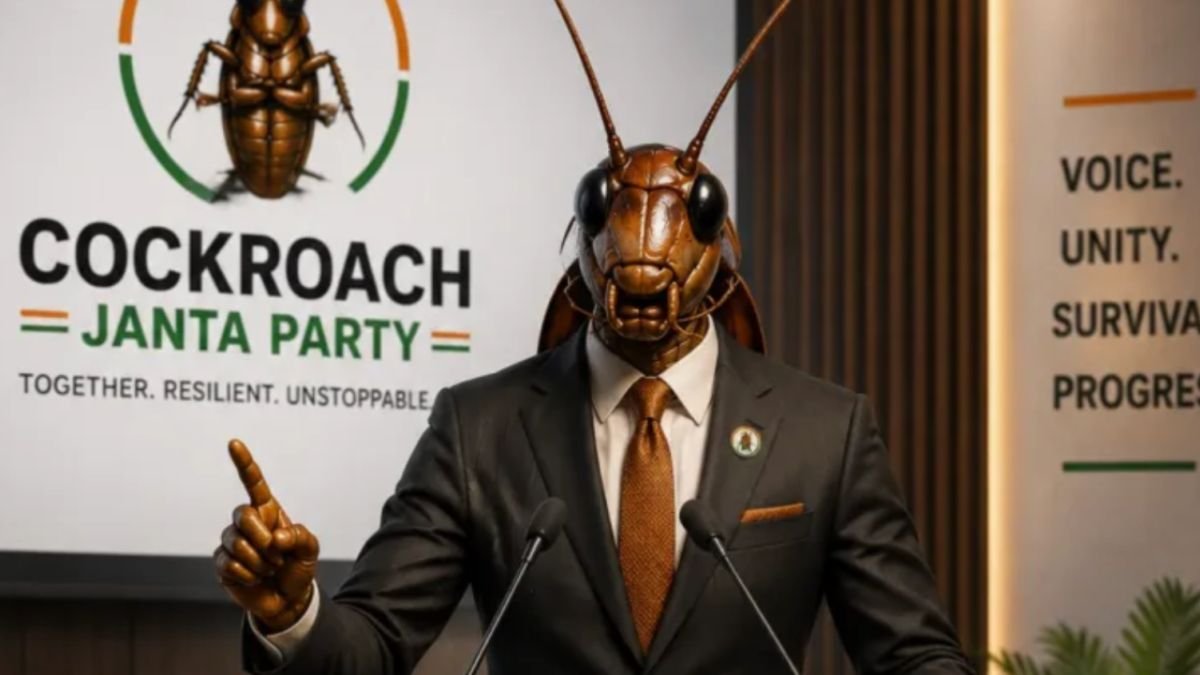
Over the past few months, a political figure has gone viral on social media platforms, earning the humorous nickname “Cockroach Leader.” While the name might sound odd, there is an interesting story behind it. He acquired this moniker because he remained consistently active and influential despite numerous political controversies, criticisms, and challenges. Just as the cockroach is known for surviving in extremely harsh conditions, this leader’s political resilience and ability to make a comeback have impressed internet users. Now, with news emerging of his potential visit to India, curiosity is mounting—especially among Gen-Z.
Who exactly is the ‘Cockroach’ Leader?
This nickname is not an official title but a viral moniker coined by the social media community. Young internet users adopted the term to highlight his political endurance and his knack for staying constantly in the spotlight. Often, even criticisms leveled by opponents ended up boosting his popularity. This is why clips of his speeches and interviews have garnered millions of views on platforms like TikTok, Instagram Reels, YouTube Shorts, and X (formerly Twitter). His speaking style, controversial yet confident statements, and distinct political perspective have made him a part of internet culture.
Why is there growing excitement about the India visit?
India has one of the youngest populations in the world, and social media trends gain traction here very quickly. When an international political or public figure becomes a topic of online discussion, Indian youth tend to follow them closely. Consequently, news of this viral leader’s potential visit to India has sparked fresh debates across digital platforms. While many young people view this as a significant global political event, others dismiss it as mere social media hype. Nevertheless, it is evident that his impending arrival has piqued widespread curiosity.
What exactly does Gen-Z find so compelling about him?
Today’s Gen-Z thinks differently about traditional politics. This generation evaluates leaders not merely based on political ideology but also on their personality, communication style, and digital presence. A major reason for the “Cockroach Leader’s” popularity is his unique communication style; he speaks candidly, confronts controversies rather than avoiding them, and remains active on social media. Gen-Z favors personalities who stand apart from the traditional political mold and express their views without hesitation.
The Power of Social Media Has Changed the Game
Until a few years ago, a foreign leader’s popularity depended largely on news channels and newspapers. However, Instagram, YouTube, and other digital platforms have completely transformed this landscape. A short video, a viral meme, or an impactful speech can reach a global audience within hours. This is precisely why the “Cockroach Leader” established his identity primarily through social media rather than traditional media. Millions of young people discovered him through memes, videos, and online discussions, further fueling his popularity.
A Mix of Criticism and Support
Like any prominent public figure, this leader faces both support and criticism. Supporters view him as a strong, resolute, and influential leader, while critics question certain views and statements he has made. Interestingly, these very controversies often amplify his popularity. In the age of social media, criticism can frequently serve as a form of publicity—a phenomenon clearly evident in this leader’s case.
What Could Be the Impact in India?
If this visit actually takes place, its most significant impact could be seen within the digital space and among the youth. His ideas could spark debates across universities, social media platforms, and political forums. While it is premature to predict a direct political outcome, the visit could certainly ignite new conversations regarding international politics and global leadership.
Conclusion
“The Viral ‘Cockroach’ Leader Is Coming to India” is more than just a news headline; it exemplifies how popularity is built in today’s digital era. Social media has propelled politicians, public figures, and ideas beyond geographical boundaries. The growing interest among Gen-Z demonstrates that the new generation does not view politics merely in terms of elections and speeches, but perceives it as a global and digital experience. It will be interesting to see the impact of this ‘viral leader’s’ visit to India and whether their online popularity proves to be equally strong in the real world.
FAQs
Q1: Why is the leader being called the “Cockroach Leader”?
A. The nickname comes from their ability to remain influential despite controversies, criticism, and political challenges.
Q2: Why is Gen-Z interested in this leader?
A. Gen-Z is drawn to the leader’s strong social media presence, direct communication style, and viral online popularity.
Q3: What is the significance of the leader’s visit to India?
A. The visit has sparked discussions among young people, highlighting the growing influence of global political figures on social media.
