
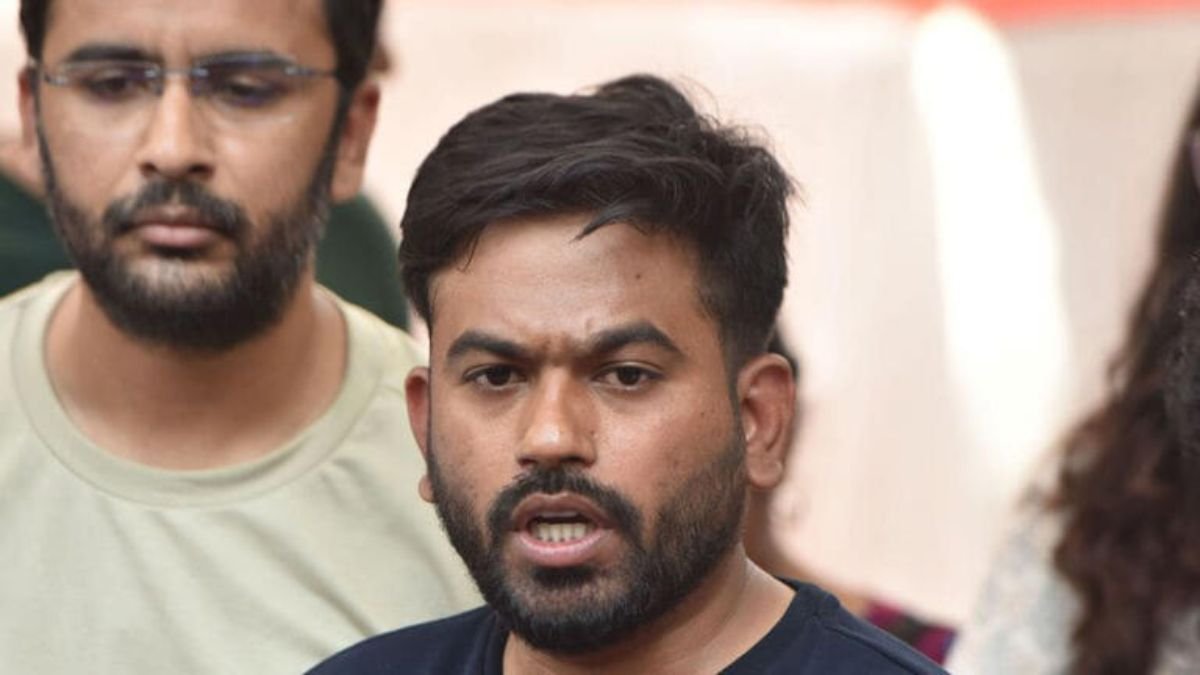
A recent violent assault involving a protester associated with the Citizens for Justice and Peace (CJP) has sparked widespread concern and renewed discussions about public safety, accountability, and the protection of marginalized communities. According to reports, the protester was allegedly attacked with an iron rod during a confrontation, resulting in serious injuries and drawing attention from political leaders, activists, and legal experts. The incident has since become a focal point of debate, with Dipke strongly demanding that authorities invoke the provisions of the Scheduled Castes and Scheduled Tribes (Prevention of Atrocities) Act, along with registering charges of attempt to murder against the accused. The case has intensified conversations surrounding the enforcement of existing laws and the responsibility of law enforcement agencies to respond promptly and impartially to acts of violence.
Details of the Alleged Assault
The reported attack occurred during a period of heightened tensions, where disagreements between opposing groups reportedly escalated into physical violence. Witnesses claimed that the protester was struck with an iron rod, causing significant injuries that required immediate medical attention. While authorities have begun investigating the matter, the exact sequence of events remains under examination. Investigators are collecting statements from eyewitnesses, reviewing available evidence, and assessing medical reports to determine the full extent of the assault. As investigations continue, public attention remains fixed on whether the legal response will accurately reflect the seriousness of the allegations.
Dipke Calls for Strong Legal Action
Following the incident, Dipke publicly urged law enforcement agencies to register a case under the SC/ST (Prevention of Atrocities) Act if the victim belongs to a protected community and the circumstances satisfy the legal provisions of the legislation. In addition, Dipke insisted that the nature of the attack justifies the inclusion of attempted murder charges, arguing that the use of an iron rod as a weapon demonstrates a potentially life-threatening level of violence. According to supporters of this demand, applying the appropriate legal provisions would reinforce the principle that violent attacks motivated by caste-based discrimination or involving excessive force should be prosecuted with the full weight of the law. They believe that swift legal action is necessary not only to secure justice for the victim but also to deter similar incidents in the future.
Understanding the SC/ST (Prevention of Atrocities) Act
The Scheduled Castes and Scheduled Tribes (Prevention of Atrocities) Act was enacted to protect members of Scheduled Castes and Scheduled Tribes from discrimination, violence, intimidation, and other forms of targeted abuse. The legislation provides enhanced legal protections and prescribes stringent penalties for offenses committed against individuals belonging to these communities when the conditions specified under the law are met. The Act has played an important role in addressing caste-based violence across India by ensuring that victims receive stronger legal safeguards. However, the application of the Act depends on the facts established during an investigation, making it essential for authorities to conduct a fair, thorough, and impartial inquiry before determining the applicable charges.
Why Attempt to Murder Charges Are Being Demanded
One of the central demands following the assault is the inclusion of attempted murder charges. Legal experts often explain that such charges are considered when investigators believe an accused acted with the intention or knowledge that their actions could have resulted in death. The severity of injuries, the weapon allegedly used, and the circumstances surrounding the incident are all important factors that investigators and courts evaluate before deciding whether such charges are appropriate. Dipke and supporters argue that the alleged use of an iron rod against the protester reflects a level of violence that should be treated as an attempt on the victim’s life. Ultimately, the decision rests with investigating authorities and the judicial process based on the evidence collected.
Public and Civil Society Reactions
The alleged attack has generated strong reactions from civil society organizations, legal activists, and members of the public. Many have expressed concern over increasing instances of violence during protests and public demonstrations, emphasizing that democratic societies depend on the ability of individuals to express their views peacefully without fear of physical harm. Several organizations have called for a transparent investigation, urging authorities to ensure that justice is delivered without political influence or unnecessary delays. At the same time, voices from different perspectives have stressed the importance of allowing investigators to complete their work before drawing final conclusions regarding the motive and legal classification of the offense.
Importance of an Independent Investigation
Every criminal allegation requires a careful and impartial investigation supported by credible evidence. In cases involving serious injuries and sensitive social issues, maintaining transparency becomes even more important to preserve public confidence in the justice system. Investigators are expected to collect forensic evidence, verify witness statements, examine medical records, and reconstruct the events leading to the alleged assault. An independent investigation helps ensure that both the rights of the victim and those of the accused are protected while enabling courts to make informed decisions based on facts rather than speculation or public pressure.
Broader Questions About Protest Safety
The incident has also reignited discussions about the safety of individuals participating in protests and public gatherings. While peaceful demonstrations remain an important part of democratic expression, incidents of violence can undermine public trust and discourage civic participation. Experts argue that authorities should strengthen crowd management strategies, improve security arrangements, and ensure timely intervention whenever tensions escalate. Equally important is the need for community leaders, organizers, and participants to promote peaceful dialogue and discourage acts of aggression that may endanger lives or inflame social divisions.
Legal Accountability and Public Confidence
The outcome of this case may have broader implications beyond the individuals directly involved. Public confidence in the legal system depends on the consistent application of laws regardless of social status, political affiliation, or public attention. If investigations establish that the alleged assault meets the legal requirements for invoking the SC/ST Act and attempted murder charges, authorities will be expected to proceed accordingly. Conversely, if evidence points toward different legal provisions, those decisions should also be supported by transparent reasoning and due process. Upholding the rule of law requires fairness, impartiality, and accountability at every stage of the criminal justice process.
Conclusion
The alleged iron rod assault on a CJP protester has become a significant legal and social issue, prompting calls for strict action under the SC/ST (Prevention of Atrocities) Act and attempt-to-murder provisions. Dipke’s demands have brought renewed attention to the importance of protecting vulnerable communities and ensuring accountability for acts of violence. As investigations continue, the focus remains on establishing the facts through credible evidence and applying the law fairly. Regardless of differing opinions surrounding the incident, the pursuit of justice through a transparent legal process remains essential for strengthening public trust, safeguarding democratic rights, and reinforcing the principle that violence has no place in civil society.
FAQs
Q1. What happened to the CJP protester?
A. The protester was allegedly attacked with an iron rod.
Q2. What is Dipke demanding?
A. Dipke has called for SC/ST Act and attempt to murder charges.
Q3. Why is the incident significant?
A. It has raised concerns about protest safety and legal accountability.
