
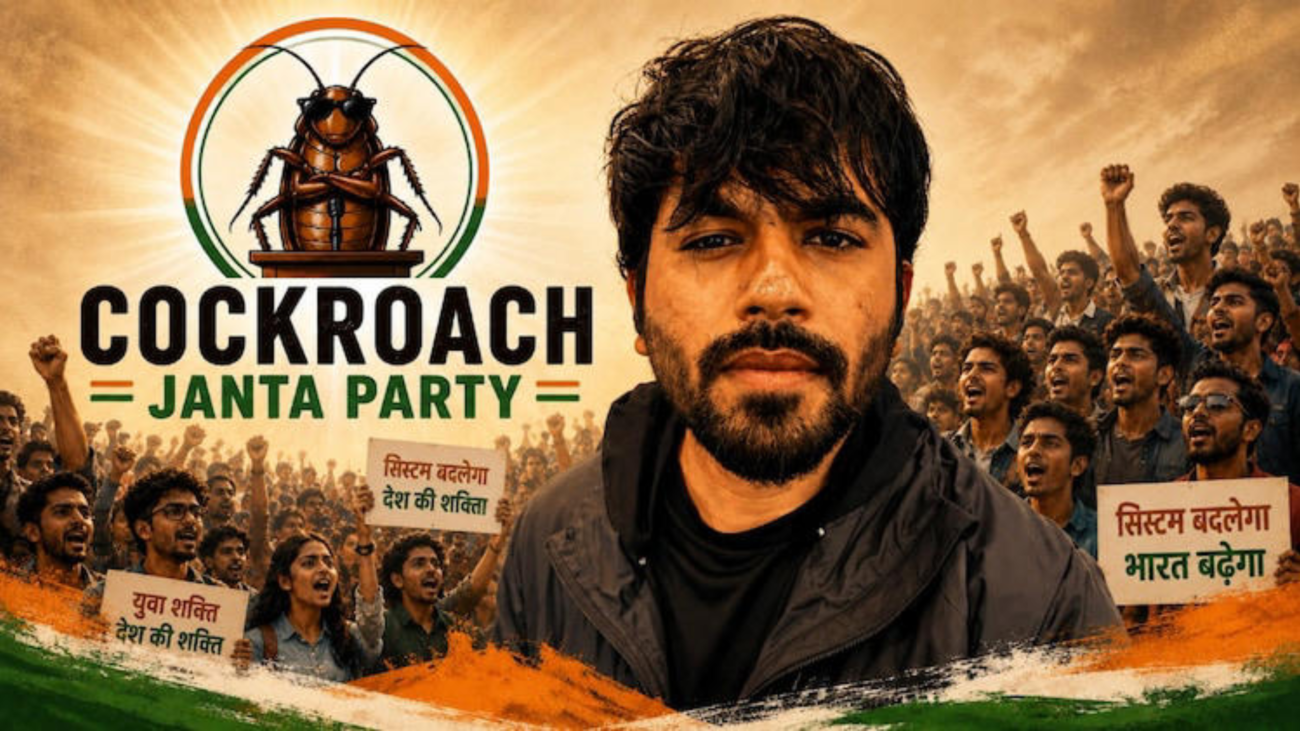
Abhijeet Dipke Announces Major Protest at Jantar Mantar
The founder of Cockroach Janta Party (CJP) Abhijeet Dipke has called for a massive protest at Jantar Mantar in New Delhi on June 6, bringing the issues plaguing the education system and the accountability of the government under focus once again. Word of the event has spread swiftly through social media, with supporters of the new political movement enthusiastically backing the event and calling for public involvement.
Dipke and his supporters said in statements the protest is to highlight issues related to education policies, exam management, student welfare and institutional accountability. The demonstration’s main demand is the resignation of the Union Education Minister and it has created a fierce debate among political watchers, students and members of the general public.
The meeting, proposed to be held at Jantar Mantar, one of the most visible sites for public protests and civic activity in India, is likely to attract supporters from around the country. As the buzz surrounding the demonstration escalates, a lot of eyes are watching carefully to see if the movement can convert its huge internet following into actual physical involvement.
The Cockroach Janta Party Rises
In the last few months, the Cockroach Janta Party has emerged as one of the most discussed political movements on social media. It started off as a web-driven operation and quickly grew into a known platform with millions of fans and a lot of public discourse.
The movement has set itself apart by its unorthodox manner of communications, direct contact with supporters and focus on the issues impacting young people. Unlike traditional political organisations that rely largely on rallies, party structure and mainstream media coverage, the CJP has grown most of its presence through digital platforms, where followers actively exchange content and participate in conversations.
Abhijeet Dipke has become the major person behind the movement’s rapid expansion. Through routine internet engagement, public pronouncements and campaign announcements, he has managed to establish a loyal following among those who think that political accountability and school reform deserve greater prominence.
The rise of the CJP is indicative of larger shifts in how political movements gain prominence in the internet era. More and more, social media has become a space for new voices that challenge established narratives and reach citizens directly without having to go through the traditional channels of communication.
Why Jantar Mantar Was Chosen For Protest
Jantar Mantar has always been one of the most important places for public demonstrations and democratic expression in India. Located in the center of New Delhi, it has been the site of innumerable rallies, awareness campaigns and movements trying to bring public attention to a plethora of causes.
By picking Jantar Mantar as the venue for the demonstration on June 6, Dipke seems to be highlighting the gravity of his campaign and his wish to push educational concerns into the national spotlight. Its symbolic importance makes it a perfect place for groups who want to be seen and to engage with the public.
Political analysts say the protest in such a high-profile location may help the movement gain more media coverage and increase public awareness about the issues involved. But the success of the event depends on turnout, planning and clarity of the campaign’s aims.
Demand for Education Minister’s Resignation
It is organized as a demonstration demanding the resignation of the Union Education Minister. The CJP’s supporters claim that the education system is suffering from deep-seated problems and needs greater accountability and more effective leadership.
The campaign’s supporters have pointed to concerns regarding examination administration, student stress, educational infrastructure, and policy implementation. They feel big changes need to be made to improve education outcomes and address problems students face across the country.
According to organizers, the June 6 protest is intended to amplify these concerns and encourage a broader national conversation about the future of education in India. Supporters say public pressure is sometimes needed to shine a light on situations that could otherwise be ignored.
At the same time, critics of the campaign say that demands for resignation must come with concrete policy suggestions and evidence-based alternatives. They stress that education is a complicated field, influenced by many institutions, government organizations and state level authorities.
The argument is symptomatic of the wider dilemma of how to maintain public accountability and at the same time foster productive policy discourse targeted at long-term change.
Student Concerns Driving Public Discussion
One of the reasons the campaign has drawn attention is student-related difficulties. Education is a major concern for millions of families across India and remains one of the most politically important areas in the country.
Students today face a range of challenges, including competitive examinations, academic pressure, access to quality institutions, and concerns about future employment opportunities. These issues frequently become matters of public debate, especially when controversies occur involving tests or school administration.
Proponents of the protest say students should have a larger voice in the decisions that directly affect their lives. They believe that the more transparency and accountability, the more responsive and successful the education system can be.
Whether the protest achieves its immediate goals or not, it has already been successful in highlighting issues that resonate with many young people and their families.
The Role of Social Media in Mobilising Support
The meteoric rise of the Cockroach Janta Party is a reflection of how social media is shaping current political movements. New groups have been able to tap big audiences on platforms such as Instagram, YouTube and X without the money typically necessary for political campaigns.
The June 6 protest has been actively pushed online, with supporters sending comments, videos, visuals and campaign materials calling for participation. This digital strategy has enabled the movement to increase its visibility and preserve the involvement of its adherents.
Social media may be a strong organising tool, especially among young people, experts say. But they also caution that online popularity doesn’t necessarily transfer into physical involvement or long-term political influence.
The next protest is expected to be a key test of the movement’s capacity to transform online engagement into offline action. A high turnout could boost the credibility of the organization, while below-expected participation could raise questions about the limits of online activism.
Political and Public Response
Reactions to Dipke’s declaration have been mixed. Supporters see the demonstration as a legitimate form of democratic involvement and an opportunity to air grievances over education-related issues. There are many who think that public demonstrations are necessary to keep institutions responsible and to stimulate discussion about policies.
Critics, however, dispute if requesting the resignation of a minister is the most effective way to solve systemic concerns. Some say that educational transformation needs the cooperation of policymakers, educators, students and state governments rather than individual leadership.
Meanwhile, political watchers are closely following the situation to determine its possible impact on broader public conversation. The event has already created enormous internet conversation, suggesting that it could become an important political talking topic in the days coming up to June 6.
What to Expect on June 6
As the date nears, organisers are likely to continue their outreach efforts in a bid to increase participation and awareness. The protest can involve speeches, public comments, student testimonials, and conversations about educational reform.
The event is also expected to attract media attention, given the growing profile of the Cockroach Janta Party and the controversy over its demands. The size of the demonstration and public reaction could shape how the movement will be seen in the future.
Regardless of participation, the demonstration is a significant moment for the organization as it tries to move beyond social media and actually interact with national concerns.
Conclusions
The ongoing discourse on education, accountability and political activism in India has been further fuelled by the announcement of a protest at Jantar Mantar on June 6 by CJP founder Abhijeet Dipke. But the campaign has made its mark by calling for the resignation of the Education Minister, putting itself at the heart of a debate that resonates with students, parents and people concerned about the future of the country’s education system.
Supporters think the demonstration is a chance to make change and shine a light on educational issues, while critics say real transformation requires substantial policy changes rather than political theatre. Whatever the divergent views, the campaign underscores the increasing power of digitally driven political movements and their capacity to shape national discourse.
As June 6 approaches, all eyes will be on Jantar Mantar to see if the Cockroach Janta Party can translate its internet buzz into real public involvement. The decision will not only have a bearing on the future of the movement but will also feed into larger conversations on education, governance and citizens’ participation in Indian democracy.
